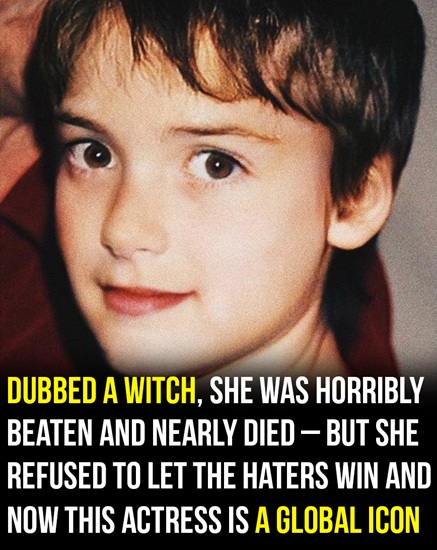
Winona Ryder’s name is closely associated with Hollywood achievement, ’90s cinema, and unwavering resilience. Yet what many people don’t realize is how close her path to fame came to unraveling before it even began.
Behind the elegance of premieres and flashing cameras lies a deeply personal story — one shaped by trauma, fear, and remarkable inner strength long before she ever appeared on screen.
Born Winona Laura Horowitz on October 29, 1971, in Winona County, Minnesota, she grew up far from the entertainment industry she would later dominate. Her mother, Cynthia Palmer (née Istas), worked as a video producer, editor, and writer, while her father, Michael D. Horowitz, was an author, publisher, editor, and rare book dealer. Surrounded by literature, art, and intellectual curiosity, Ryder’s childhood was steeped in storytelling and creativity.

But her upbringing also carried the weight of history. Both sides of her family were deeply affected by the Holocaust. Her maternal grandfather died fighting Nazis in the Pacific, and relatives on her father’s side perished in concentration camps. As a child, she overheard fragments of these painful stories. In later interviews, she admitted that learning about such horrors left her frightened — especially of losing her parents — though she appreciated their honesty in telling her the truth when they felt she was ready.
Those early experiences fostered empathy and emotional awareness, as well as a quiet resilience that would later define her career. She spent countless hours reading and studying history, especially about the Holocaust, trying to understand her family’s past and its meaning.
A pivotal year came in 1983. At just 12 years old, Ryder enrolled at the American Conservatory Theater in San Francisco, marking the beginning of her formal acting journey. That same year, however, she nearly lost her life in a terrifying accident at sea. After almost drowning, she was pulled from the water without a pulse. The incident left her with a lasting fear of water — one that followed her into adulthood and into her work.
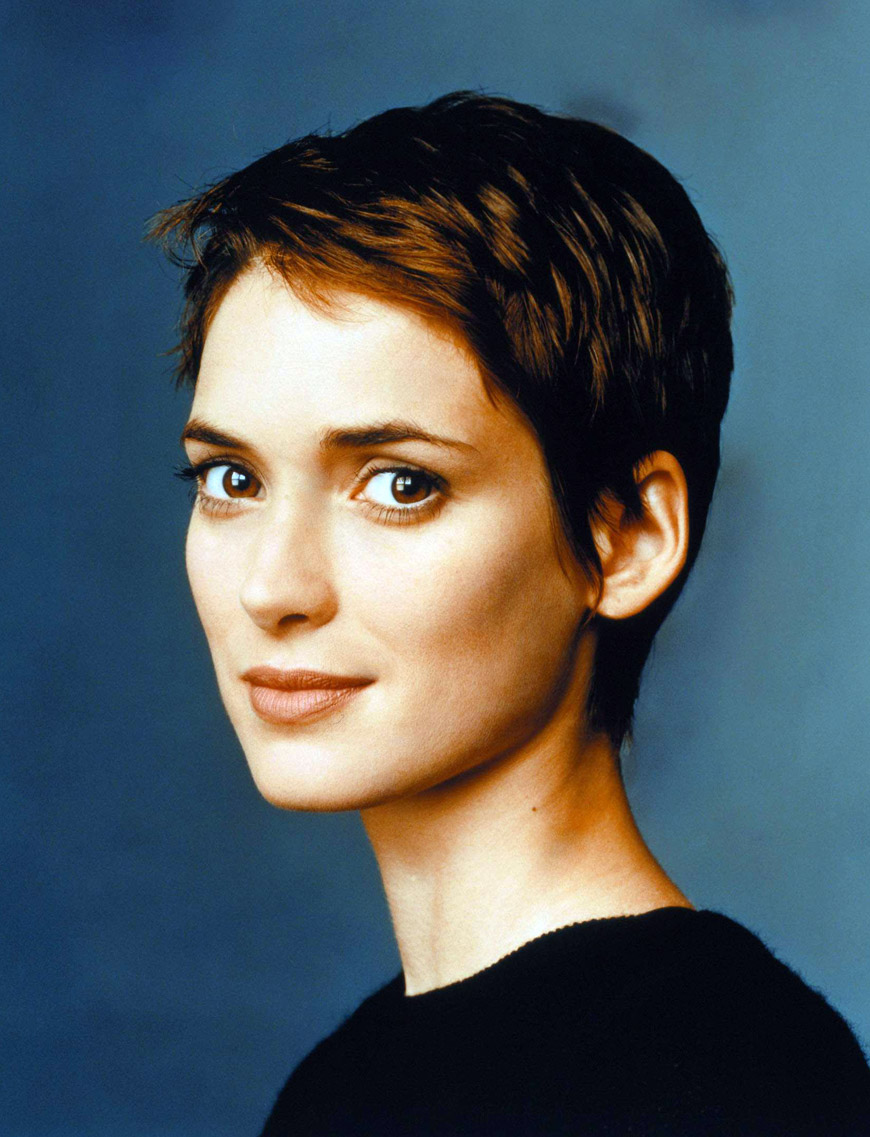
Years later, while filming Alien: Resurrection, she was required to perform underwater scenes in a large tank without protective gear. Determined not to let fear control her, she trained extensively for months, confronting the very phobia born from that childhood trauma.
Her school years were equally challenging. Because of her short hair and delicate appearance, classmates frequently bullied her — sometimes violently. On her third day at a new school, she was attacked, slammed into lockers, and injured badly enough to suffer a fractured rib and head wounds requiring stitches. Shockingly, she was punished instead of her attackers. Even after gaining fame with Beetlejuice in 1988, the teasing didn’t stop; some peers labeled her a “witch.”
Rather than crush her spirit, these experiences strengthened her. The emotional pain and isolation she endured became fuel for her craft, adding depth and vulnerability to her performances.
Her breakthrough arrived at 15 when she starred in Tim Burton’s Beetlejuice. The film became a cult classic, and Ryder’s offbeat charm made her unforgettable. She followed it with Heathers and then Edward Scissorhands, continuing her collaboration with Burton and solidifying her image as one of Hollywood’s most distinctive young talents.
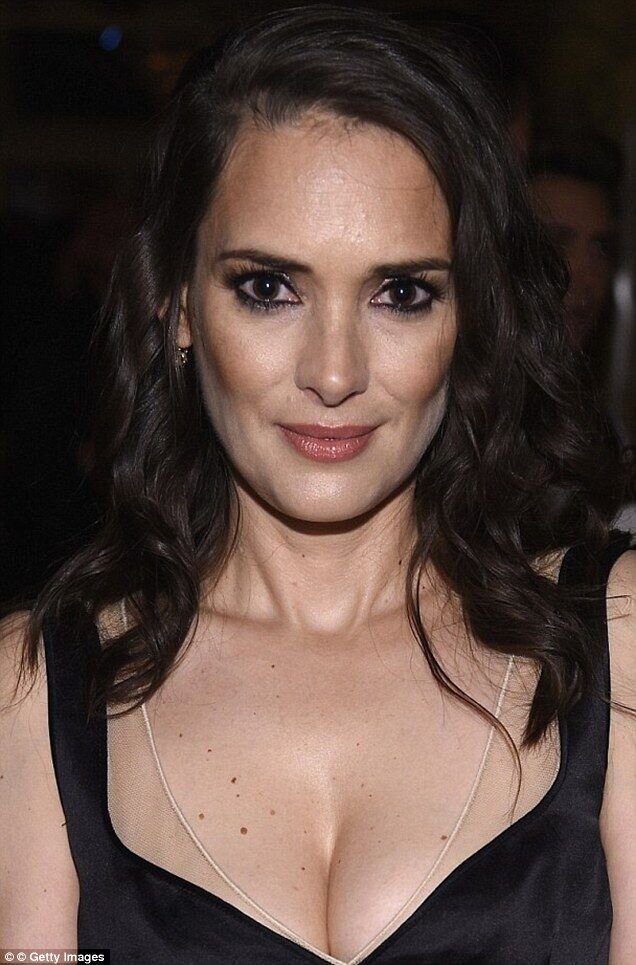
In the early 1990s, her career soared even higher. Her performances in The Age of Innocence and Little Women earned her consecutive Academy Award nominations, proving she was not only a teen icon but a serious dramatic actress.
Yet success did not shield her from inner struggles. Ryder has spoken openly about living with anxiety and depression. In 1990, she stepped away from The Godfather Part III to seek psychiatric help. Later roles — including Girl, Interrupted — forced her to confront emotions that closely mirrored her own battles, something she admitted was both frightening and deeply personal.
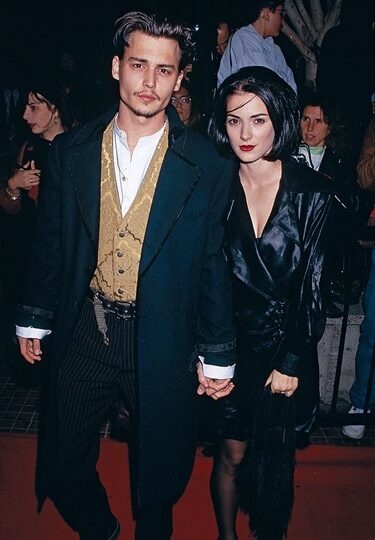
Her private life also unfolded under relentless media scrutiny. Her relationship with Johnny Depp, which began when she was 18, became tabloid obsession. Their engagement, collaborations, and eventual breakup played out publicly, adding emotional strain to an already intense period in her life. She later reflected on how difficult it was to maintain a sense of self while constantly under the spotlight.
Professional challenges added further complexity. During the filming of Bram Stoker’s Dracula, director Francis Ford Coppola reportedly used harsh tactics to provoke emotional reactions. While such methods are widely criticized today, Ryder has said that time brought perspective and reconciliation. Throughout these years, support from trusted colleagues, including Keanu Reeves, helped her navigate an often unforgiving industry.
Fame also introduced darker realities. Ryder has spoken about experiences with stalking and obsessive attention, reminders that celebrity comes with risks as well as rewards.
After facing public setbacks in the early 2000s, she chose to step away from acting for several years. The hiatus allowed her space to regroup and rebuild. Gradually, she returned to smaller roles — until her powerful comeback as Joyce Byers in Netflix’s Stranger Things. The series reignited her career and introduced her to a new generation of fans, who praised her raw, emotional performance.
Beyond acting, Ryder has become an advocate for mental health awareness. By speaking candidly about her fears, depression, and vulnerability, she has helped reduce stigma and inspired others to acknowledge their own struggles.
Her journey — from a bullied child in Minnesota to an internationally celebrated actress — stands as a testament to endurance and reinvention. Ryder’s influence reaches beyond her filmography; it lies in her honesty, her willingness to evolve, and her refusal to let early trauma define her future.
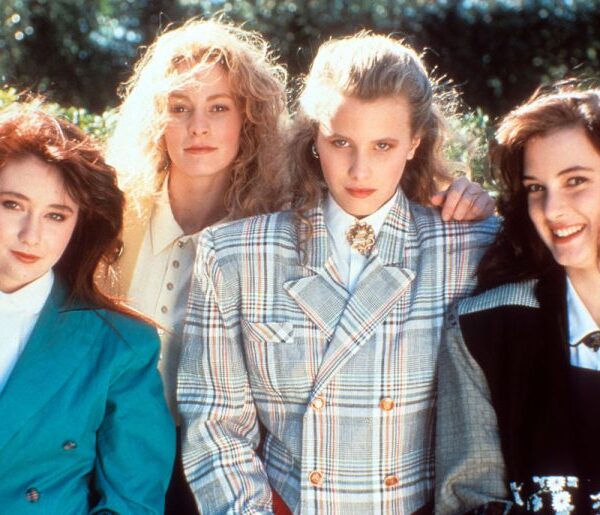
Reflecting in recent interviews, she has expressed gratitude for surviving the pressures of fame before the age of social media, acknowledging how intense the experience already was.
Today, Winona Ryder remains both a cultural icon and a symbol of resilience. Her story is not merely one of Hollywood fame but of perseverance, vulnerability, and courage. From early tragedy and fear to critical acclaim and career revival, she proves that even the darkest chapters can lead to extraordinary triumph.