
A 1986 photograph from Venice Beach, California, depicting a bikini competition supported by Miller Lite, perfectly captures the spirit of 1980s bikini culture. Attracting a large crowd, the event showcased the candidates’ confidence and individuality, with model Leslee Bremmer in the background. This contest came to symbolize the era’s flourishing beach culture and its obsession with external demonstrations of confidence and physical attractiveness, even though there was little information available about the winners and prizes.
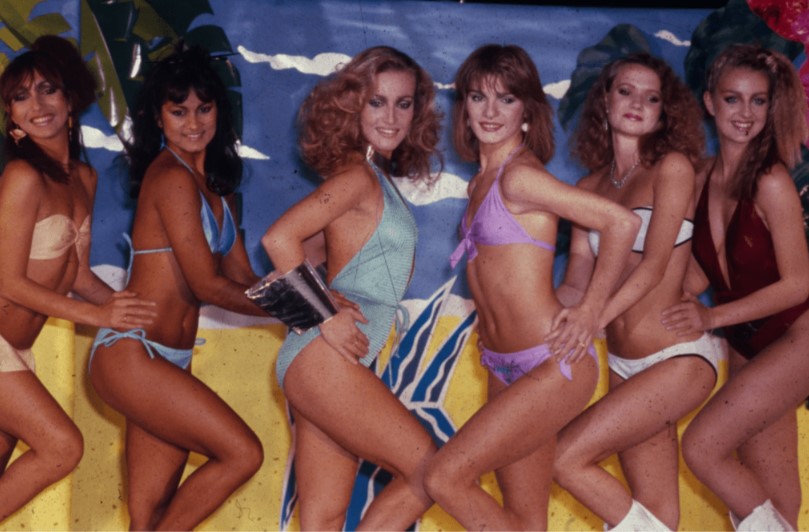
Bikinis were more daring and fashionable during the 1980s, which was the height of bikini culture in the US. Bikini competitions and beauty pageants also were quite popular during this time, captivating viewers on TV and on beaches. Beaches like Venice, Miami, and Huntington became natural runways as a result of the bikini’s growth, which was fueled by the fitness craze and supported by celebrities. These occasions cemented the bikini’s status as a cultural symbol by capturing the self-assurance, individuality, and carefree way of life of young Americans.
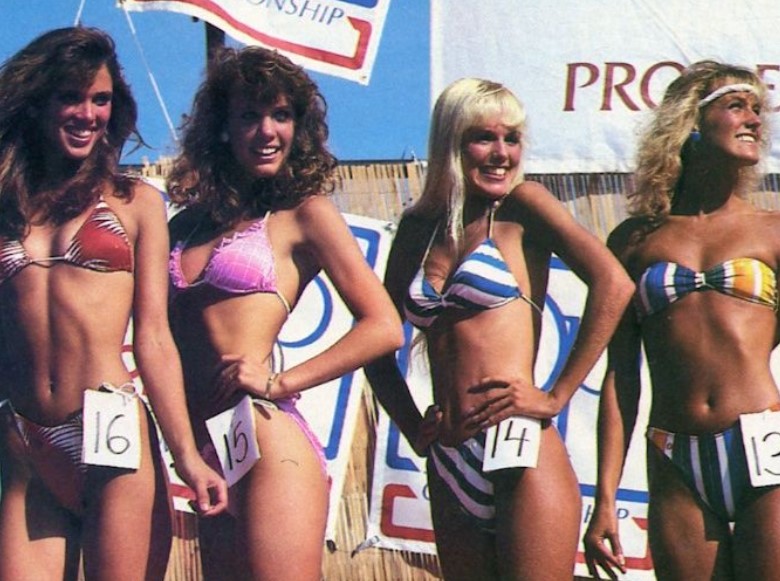
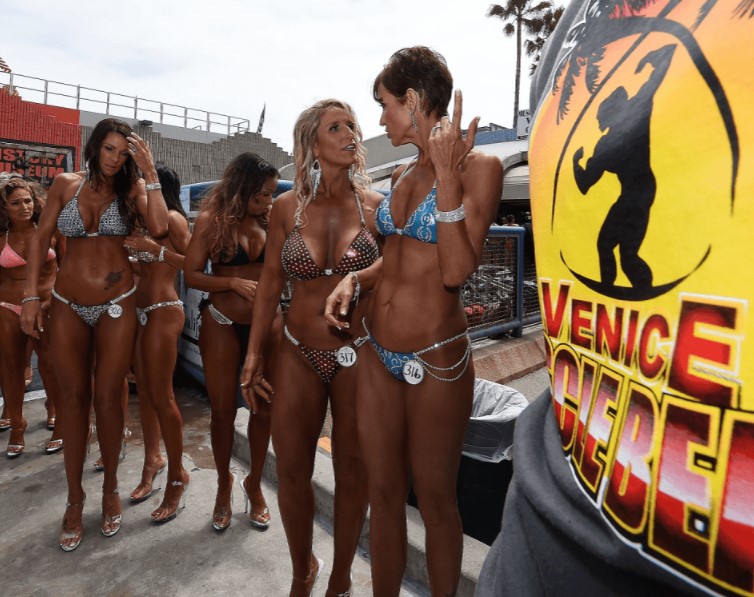
American society was significantly impacted by these bikini competitions, which shaped ideas of confidence, beauty, and a carefree way of living. They had tremendous impact on the entertainment, fitness, and fashion sectors, generating a booming market for TV ads, fashion shows, and specials. As society shifted toward valuing physical fitness and self-expression, the image of strong, seductive, and empowered women became a potent icon of the decade.
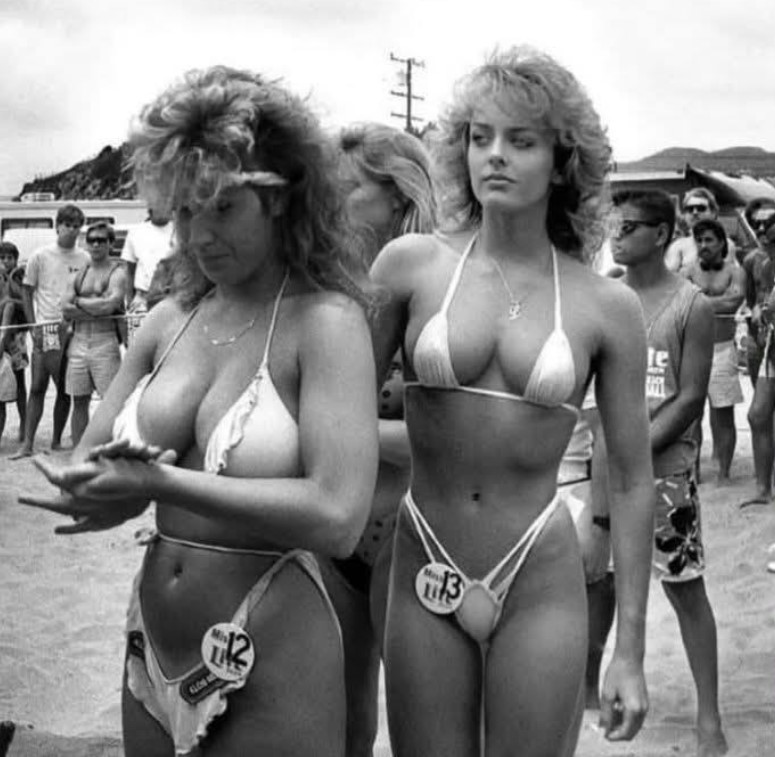
Even though the 1980s are over, bikini culture’s legacy lives on. Contemporary bikini competitions are still developing, with a focus on empowerment, diversity, and inclusivity. The bikini was once more than simply a piece of swimwear; it was a symbol of freedom, self-assurance, and the celebration of the human form. This era’s influence can still be seen in modern design and entertainment.